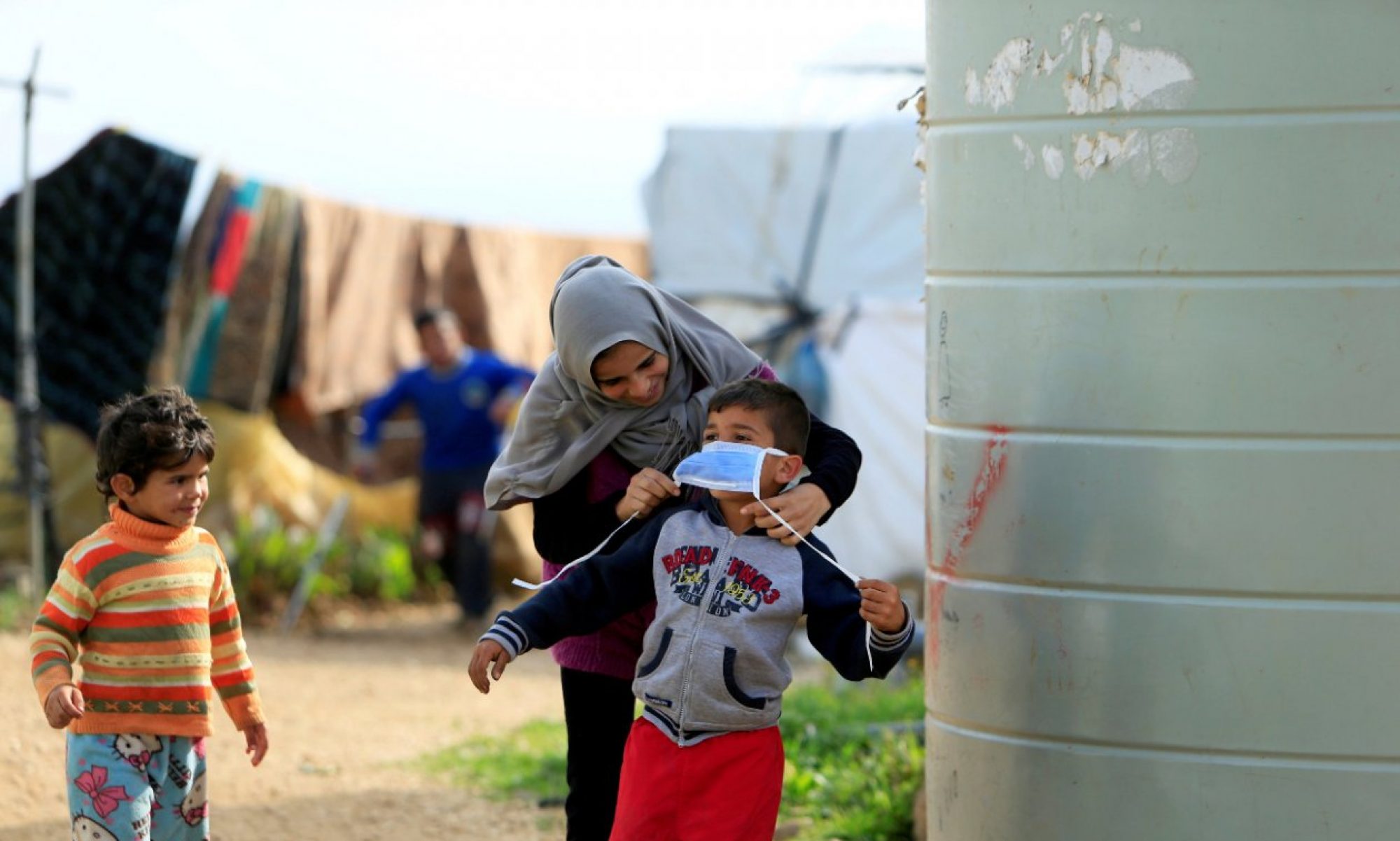
We believe that given the scaffolding and guidance, students of a wide variety of ages can engage with topics of forced migration. Each of these sections below have been curated with a specific age range in mind and designed to support students’ active learning. Each researcher has made their own decisions about what age a source is appropriate for. Please review before sharing with your students.
- Young Audiences: These sources are intended for students in late elementary and middle school. The sections suggest materials, vocabulary, and activities appropriate for this age range and serve as an introduction to the themes of migration and displacement.
- High School: These sources are intended for high school students in grades 9-12. The sections feature suggested activities appropriate for this age range. They provide accessible materials that discuss nuanced approaches to the themes of migration and displacement.
- Advanced and Lifelong Learners: These sections have been designed for students in their last year of high school, in college, or beyond. They use advanced sources and discussion questions to approach migration and displacement in a critical, scholarly, and nuanced way.
- Younger Audiences
- High School
- Advanced and Lifelong Learners
- Climate Change and Forced Migration: An Introduction Via Children’s Movies and Other Sources. Jordan Shamoun. Summer 2021.
This section aims to introduce children to issues of forced migration and climate change using discussion questions, activities, and popular films.
- Food and Migration: Community, Diaspora, Politics. Naima Nader. Winter 2021.
Food is a means for understanding others and their experiences. With this in mind, this section demonstrates the vital link between food and community, identity, the migration process, and political debate.
- Visual Storytelling: A Teaching Guide to Children’s and Young Teens’ Graphic Novels. Angie Diaz. Winter 2021.
This section presents a collection of children’s and young teens’ graphic novels on stories of forced migration from all around the world along with supplementary sources that educators and adults can utilize to teach each graphic novel.
- What Is It Like To Go To School at the U.S. Mexico Border? An Introduction for Young Adults Interested in Border Studies. Samantha Cavagnolo. Winter 2021.
This section introduces young adults to what it is like to go to school at the US-Mexico border using videos, articles, books, and guided discussion questions.
- Bearing Witness: Stories of Migration through Art. Kaiya John. Winter 2021.
In December 2020, the Selective Bibliography of Forced Migration hosted a virtual community conversation centered around art and migration — from textile cloths to theater performances — with a focus on what it means to bear witness to such moments in individual stories of migration. This section includes the sources viewed at the event, additional contextual resources, and discussion questions.
- Environmental Displacement of Indigenous People: A Glimpse into Anishinaabe Resistance to Colonial Exploitation. Ellis Peterson. Summer 2021.
This section aims to provide tools and resources for teaching high school students about the environmental displacement of Indigenous people in North America due to colonization. Rather than attempting to generalize the experiences of the many tribes who have been forced to leave their land or are currently fighting against displacement, this section will focus on the Anishinaabeg Nations and the threats that they currently face.
- Forcing Diasporas (A Teaching Tool). Kaiya John. Summer 2021.
This section aims to introduce the concept of a diaspora to students in a way that is accessible yet hints at the multifaceted and at times complicated meanings of the word. It encourages students to make the connection between the creation of diasporas and many forms of forced migration and then be able to apply this understanding to the displacement and persecution of the Sahrawi people residing in Western Sahara, Algeria, and Spain.
This section uses concepts of mutual aid to complicate traditional humanitarian aid structures in and around refugee communities while prompting readers to design and advance mutual aid networks themselves.
- Migration Through Metaphors. Malvika Dang. Summer 2021.
This section uses literary metaphors to approach migration studies through a series of guided discussion questions and prompts.
- Reframing Incarceration as Forced Migration. Jeremy Sass. Summer 2021.
This section’s resources, which often focus on various health issues, use two distinct methods to outline why incarceration, particularly incarceration of individuals in America, should be considered forced migration.
What can we learn about migration through fictional stories? The sources in this section are intended to be read and analyzed by high school students to deepen their understanding of migration and experience critical thinking. However, as it is always so, the sources are great for people of all ages.
- The Olympics, Community Gardens, and ‘Islands of Exclusion’: Gentrification as Forced Displacement. Arlene Chen. Summer 2021.
This section aims to introduce high school students to the concept of gentrification (mainly as it occurs in North America), help students understand the role gentrification plays in inducing and exacerbating forced displacement, allow for discussions on possible effects of gentrification including through a specific case study, and provide a space for them to collectively brainstorm next steps.
This section aims to facilitate conversations about living in and conceptualizing the borderlands by highlighting the voices of those who consider the US-Mexico borderlands home.
This section focuses on the experiences of forcibly displaced Syrians who now compose a majority of recent asylum seekers in Germany along with the bureaucratic challenges they face.
- Language and Migration. Valeria Sibrian. Summer 2021.
What effects do war, hunger, and migration have on language? Can we ever be fluent in a language? How does language connect to territory, land, and home? This section uses a wide range of voices to present the relationship between migration and language.
- Rethinking the Value of Art Therapy. Haru Sugishita. Summer 2021.
This section explores the significance of art therapies in addressing the mental health of forced migrants around the world.
- The Marketing of Refugees: Humanitarian Photography and the Politics of Donation. Kaiya John. Winter 2021.
This section investigates humanitarian photography and its use in donation campaigns frequently used by large international aid organizations and NGOs.
- What Makes a Place a Home?: Protracted Refugee Situations and Refugee Camp Design. Lee Ann Bael. Winter 2021.
What makes a place a home? This section encourages students to question narratives portraying refugeehood as temporary and consider who is leading refugee camp design – and to what end.
